Arts & Culture
AlleyFest Hits 15 Years: How Buckham Alley Became a Hub for Downtown Flint's Cultural Revival
By Staff · July 20, 2026
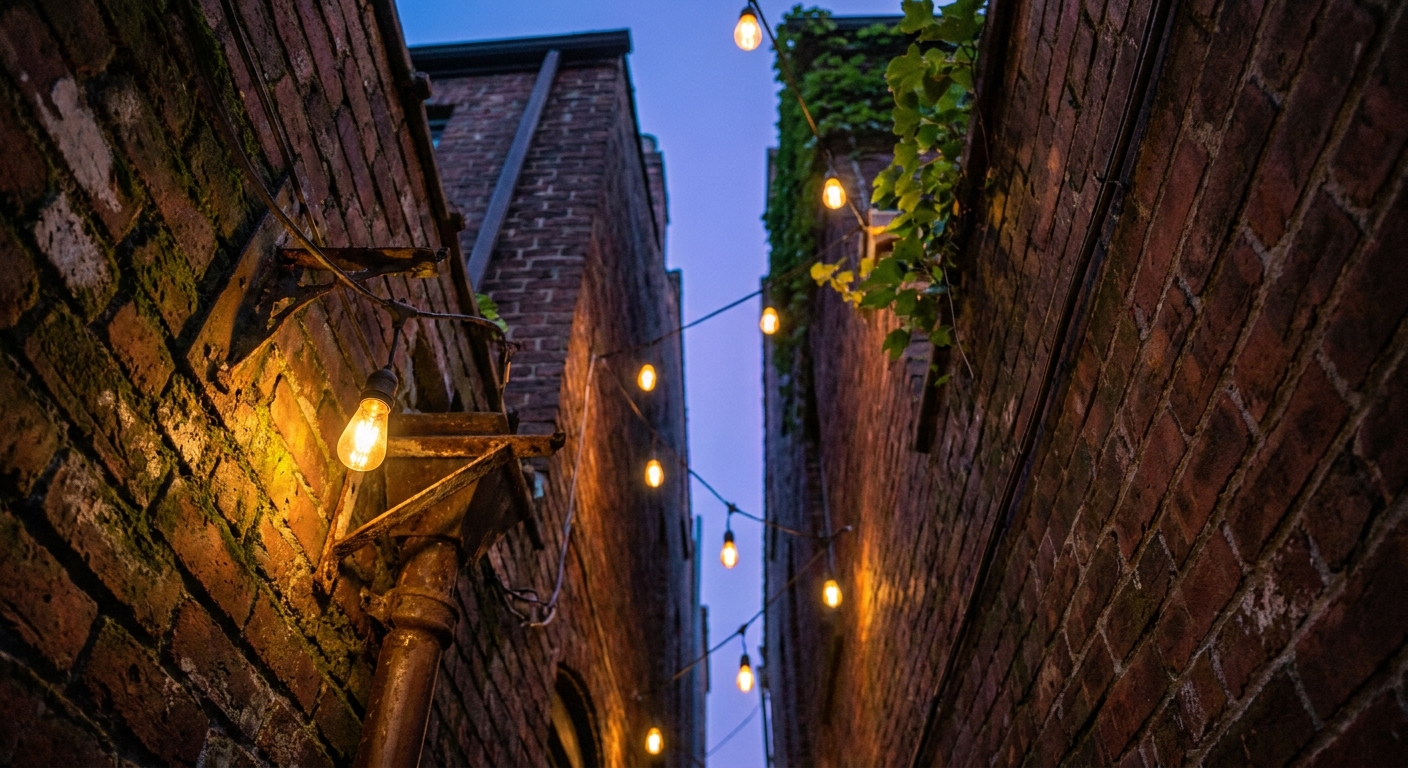
For eight hours on Saturday, Buckham Alley became a place where Flint musicians had stages, local makers had customers and residents could walk in without paying at the gate. AlleyFest returned to downtown Flint on July 11, 2026, offering a practical version of revival: people gathering in a public alley and spending directly with the artists and vendors who make the event possible.
Organizers called it AlleyFest's 15th year, though available records do not settle the precise founding year. The festival has lasted long enough to become part of downtown Flint's cultural working life, not just a one-day draw, its longevity standing in contrast to decades of economic hardship and cycles of downtown development promises.
The free festival ran from 2 to 10 p.m., with 16 bands across two stages and more than 60 vendors selling handcrafted goods, including artwork and clothing. A year earlier, in 2025, AlleyFest drew over 3,500 people, hosted 65 local vendors and featured 16 music acts.
Those numbers matter because the benefit is not theoretical. Free admission brings thousands of potential customers directly to local sellers, giving vendors a concentrated opportunity to make sales and giving local bands a crowd beyond their usual circles. Flint is still confronting economic hardship, and downtown has seen many cycles of development promises. AlleyFest addresses a different question: whether artists, small sellers and residents have a reason to gather, spend money and build connections in downtown Flint now.
Friends of the Alley, the nonprofit that organizes AlleyFest, was established in 2012 to beautify and activate the alleyways in downtown Flint. The nonprofit uses festival proceeds to sustain lighting and improvement projects in Flint's alleyways.
The festival originally launched as Buckham Alley Fest before being shortened to AlleyFest. Ten organizers transformed Buckham Alley — located one block west of Saginaw Street — into a public gathering space for the first edition. Free admission has remained central to its model throughout. The point is participation, not gate receipts: an accessible alley, an audience for performers, and customers for the people selling what they make.
In 2015, Friends of the Alley raised $50,000 through a crowdfunding campaign to install permanent string lights in Buckham Alley. The Michigan Economic Development Corporation matched the total. Those lights now define Buckham Alley as a lasting community space and support year-round events including AlleyFest and Dinner Under the Lights.
AlleyFest's model — free admission, an artist-run event, and vendor sales going directly to local sellers — operates through grassroots community ownership rather than large-scale development. Its multi-year track record demonstrates that small-scale, community-owned events can sustain themselves and grow while delivering direct economic opportunity to working artists and vendors.
The test of AlleyFest is not whether one alley can solve downtown Flint's problems. It is whether the cycle it creates can keep returning: residents showing up, artists performing, vendors making sales and proceeds going back into the space that holds them. For more than a decade, that cycle has given Buckham Alley a purpose beyond being a passageway — and supporting it, through attendance, vendor purchases or donations to Friends of the Alley, sustains the infrastructure and annual opportunity that local artists and vendors have depended on ever since.