Community & Events
Flint's Festival Season in Full Swing: AlleyFest Marks 15 Years of Free Culture in Buckham Alley
By Staff · July 20, 2026
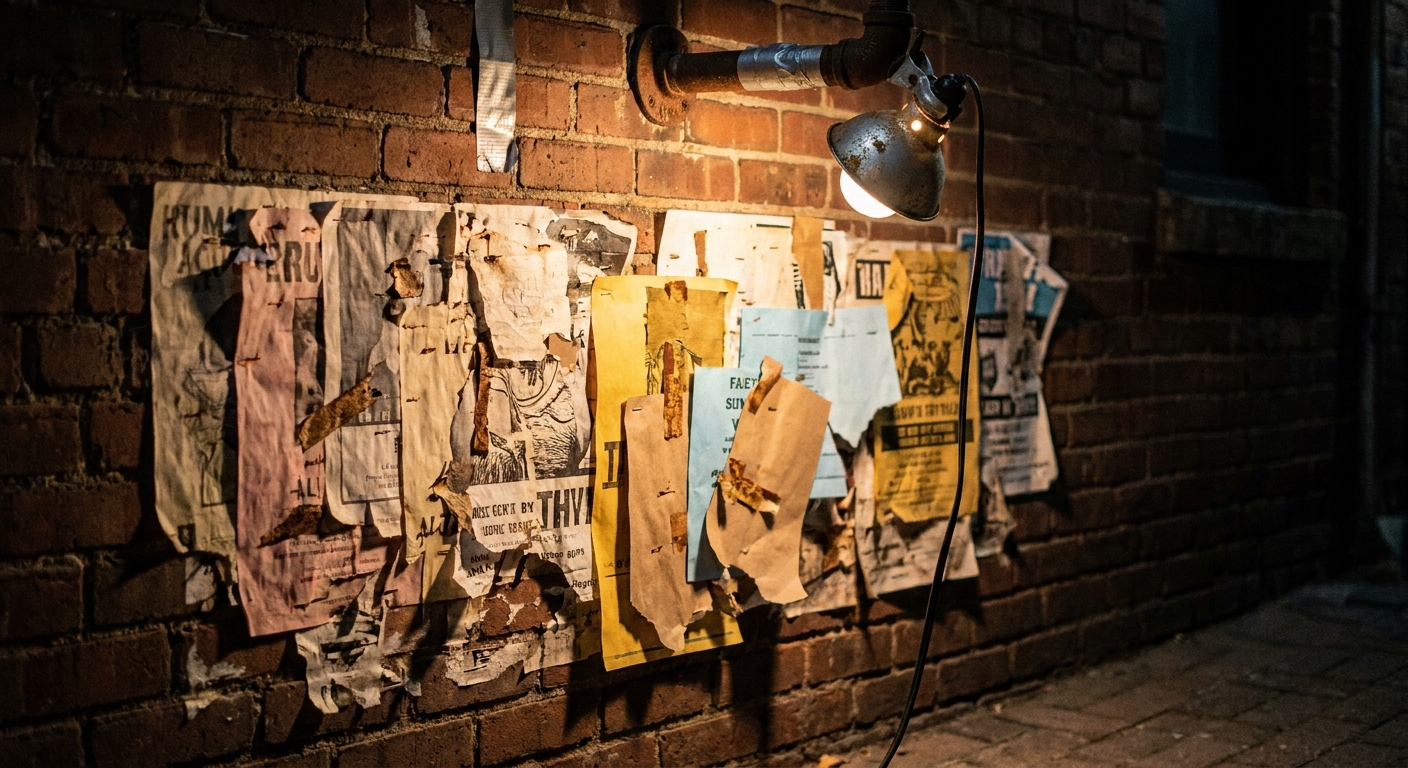
On July 11, local music, art and craft vendors, and food turned Buckham Alley in downtown Flint into a free public gathering place for the 15th annual AlleyFest, held from 2 p.m. to 10 p.m. In a city where downtown has seen decades of fits and starts in revitalization, reaching that milestone raises the question of what keeps a grassroots event alive when institutions and corporate sponsors don't.
This year's festival featured 16 music acts on two stages and more than 60 local vendors selling art, crafts, food and other goods. Craft City, presented by Flint Handmade, offered free handcrafting classes and craft-supply swaps.
Then known as Buckham Alley Fest, the event was founded in 2011 by 10 organizers who wanted to turn the alley into a place for music, art and community. That first year had 10 local musical acts. Chris Everson, a Flint native and founding AlleyFest organizer, envisioned transforming Buckham Alley into a vibrant public space. "We think we can do more with Buckham Alley... Get it paved, better lights installed, make it more of a fun place to hang out," Everson, a founding AlleyFest organizer, said.
After that first event succeeded, Everson and other organizers formed Friends of the Alley as a nonprofit in 2012. The all-volunteer organization has no paid staff; members work year-round to beautify and activate Buckham and Brush Alleys, organizing at least two annual cleanups to remove litter and broken glass and keeping the spaces open for community use. Friends of the Alley's sponsors in 2019 included Consumers Energy, Fabiano Bros., Flintside, Greater Flint Arts Council, Kettering University, Mott Community College and the University of Michigan-Flint.
The volunteer model keeps AlleyFest free and accessible, gives local vendors low-barrier opportunities and preserves community ownership — but also means the festival's scale, infrastructure improvements and long-term sustainability depend entirely on organizers' unpaid labor and fundraising. Everson's founding vision to get Buckham Alley paved and better lit remains an aspiration that volunteer labor alone has not fully realized.
AlleyFest arrives in the middle of a packed downtown summer calendar that also includes Carriage Town Porchfest, the America 250 Fourth of July celebration, Flint Pride Festival and other arts and music events — a track of cultural investment built by residents and small vendors, not downtown development authorities.
The question facing Friends of the Alley and Flint's broader cultural community is whether grassroots activation can sustain itself indefinitely on volunteer commitment alone, or whether longevity requires institutional support, formalized funding or partnerships. Either path carries risks: continuing the all-volunteer model risks burnout and stagnation, while seeking institutional backing risks losing the community ownership, free access and scrappy authenticity that have defined AlleyFest for 15 years. What Flint has built in Buckham Alley is rare — a festival kept alive for 15 years by residents who keep showing up — and whether that model can carry forward depends on whether the city values grassroots culture enough to support it without taking it over.