Government
Flint and Genesee County election races: Candidates on infrastructure, accountability and recovery
With the Aug. 4 primary ballot set and about 30 lead service lines still uninspected, candidates for mayor, city council and state office are being pressed to detail specific funding sources
By Staff · August 6, 2026
Flint voters went to the polls yesterday in the August 4, 2026, mayoral primary, choosing among incumbent Sheldon Neeley, mayor of Flint; Tonya Burns, Flint City Council's Sixth Ward member; Micaiah Owens, attorney; Roshanda Womack; and Pastor Linda Anthony, an official write-in candidate.
City council primaries also took place August 4 in Wards 1, 2, 5, and 8. Ward 1 was contested by Debra Coleman, Cynthia Haynes, and Arthur Woodson; Ward 2 by Maurice Davis, LaQuindra Hodge, LaShawn Johnson, Ladel Lewis, and Audrey Young; Ward 5 by Joel Arnold, Wantwaz Davis, Jeron Dotson, and DeWaun Robinson; and Ward 8 by Ezekiel Harris, Brandan Jamison, and Casey Lester.
But across those races, candidates largely offered priorities and principles rather than the detailed, funded recovery plans longtime residents need to evaluate.
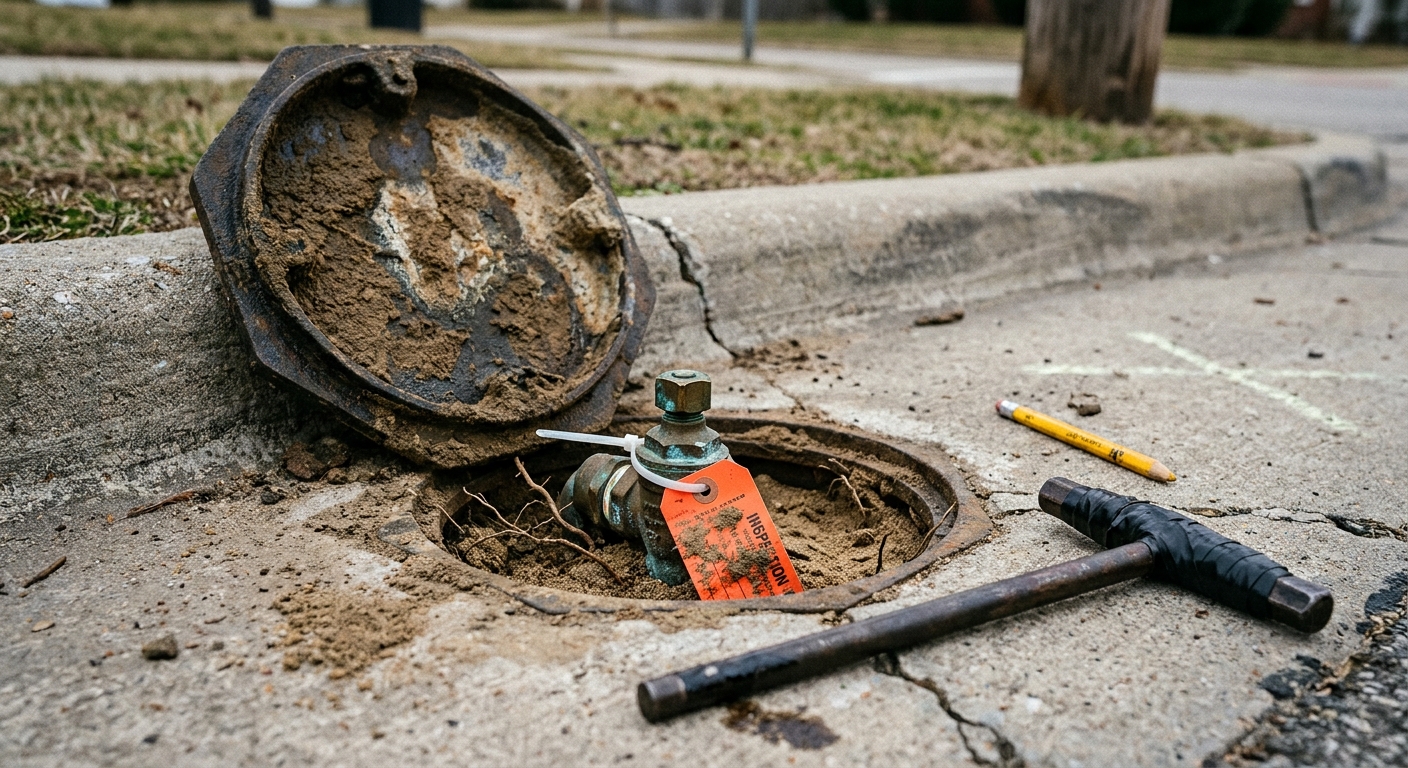
That gap persists even as Flint reaches a major milestone. The city announced in August 2026 that crews had inspected the last water service line and confirmed there are no active lead service lines remaining, completing a decade-long replacement project.
More than 11,600 lead service lines were replaced across approximately 31,930 excavated addresses, with more than $1 billion spent on service line work and other drinking water system improvements. In July 2026, the city also announced it had fulfilled all requirements under a 2017 federal settlement tied to the water crisis and planned to file a notice of satisfaction in U.S. District Court.
Completion of the replacement work and settlement obligations, however, does not end Flint's water-related costs. Residents still face affordability challenges, continuing infrastructure expenses, the need for sustained public health monitoring, and the unfinished work of ensuring economic recovery benefits longtime residents.
Water funding without long-term candidate plans
Flint is using federal support, including $1 million in leftover American Rescue Plan Act funds, to help offset rising water bills as the city undertakes continuing infrastructure upgrades and absorbs higher wholesale costs. The stabilization fund is designed to cushion rate increases through 2029.
Neeley's fiscal 2027 budget, which begins July 1, 2026, totals $73.1 million in the general fund and includes no water-rate increases for residents or businesses. Approved by City Council in June 2026, it is the only candidate submission containing actual dollar figures.
His campaign platform calls for good jobs, cutting red tape for small businesses, addressing crime and water, removing blight, restoring infrastructure, working with the Council and residents, and holding monthly mayoral town halls.
Burns' platform centers on water safety and affordability, strengthening Public Works, continuing infrastructure work, hiring qualified management, creating a business concierge service, and reducing blight.
Owens' Build Flint Better plan emphasizes jumpstarting jobs, reducing red tape for local businesses, strategic blight removal, infrastructure and road repairs, and attracting new businesses. Owens said he would "advocate for good jobs, cut red tape for small businesses, and pursue strategic blight removal and infrastructure restoration as core tools to grow Flint's economy."
He also proposes hiring an engineer to evaluate Flint's water systems, conducting an efficiency audit to address cost-of-living pressures, and strengthening local business growth.
Womack said she would "reinstate a director of public works to better gather and share infrastructure and operations information with residents." Anthony said, "Despite paying for water, Flint residents are still waiting on the money they are owed while lawyers and others have already been paid."
That matters because federal support will not eliminate the need for state and local funding. An analysis found that Infrastructure Investment and Jobs Act resources will cover only about 15% to 21% of estimated total replacement costs in high-need states. EPA has announced $2.875 billion in fiscal 2026 Drinking Water State Revolving Fund lead service line replacement funding nationwide, with about 49% required as grants or principal forgiveness to prioritize disadvantaged communities.
Few commitments on long-term health monitoring
Anthony's platform focuses on securing justice and transparency in the water crisis settlement, adding a mental health division to the police department to support de-escalation, and developing a more sustainable response to homelessness.
Womack prioritizes a trauma-informed, whole-of-community approach to preventing violence and youth income insecurity, expanded youth jobs and mental health services, and community hubs and accessible data systems that would allow residents to track city finances, infrastructure, and public safety efforts.
Job promises lack wage standards and local hiring targets
Transparency proposals stop short of enforceable reporting
Both Neeley and Burns include monthly mayoral town halls.
Womack has offered the most detailed transparency mechanism, proposing community hubs and accessible data systems that residents could use to track city finances, infrastructure, and public safety efforts. Her proposal to restore a public works director is also intended to improve the collection and sharing of infrastructure information.
The same gaps extend to races still ahead
State legislative races still ahead include Cherry in District 27, which covers most of Genesee County, including Flint, and Cynthia Neeley in District 70, which covers Flint.
Michigan's 8th Congressional District general election in November features incumbent McDonald Rivet against Thomas J. Smith, the Republican nominee.