Local News
Land Bank Launches Four-Year Plan to Rehab 125 Homes Across Genesee County
By Staff · July 25, 2026
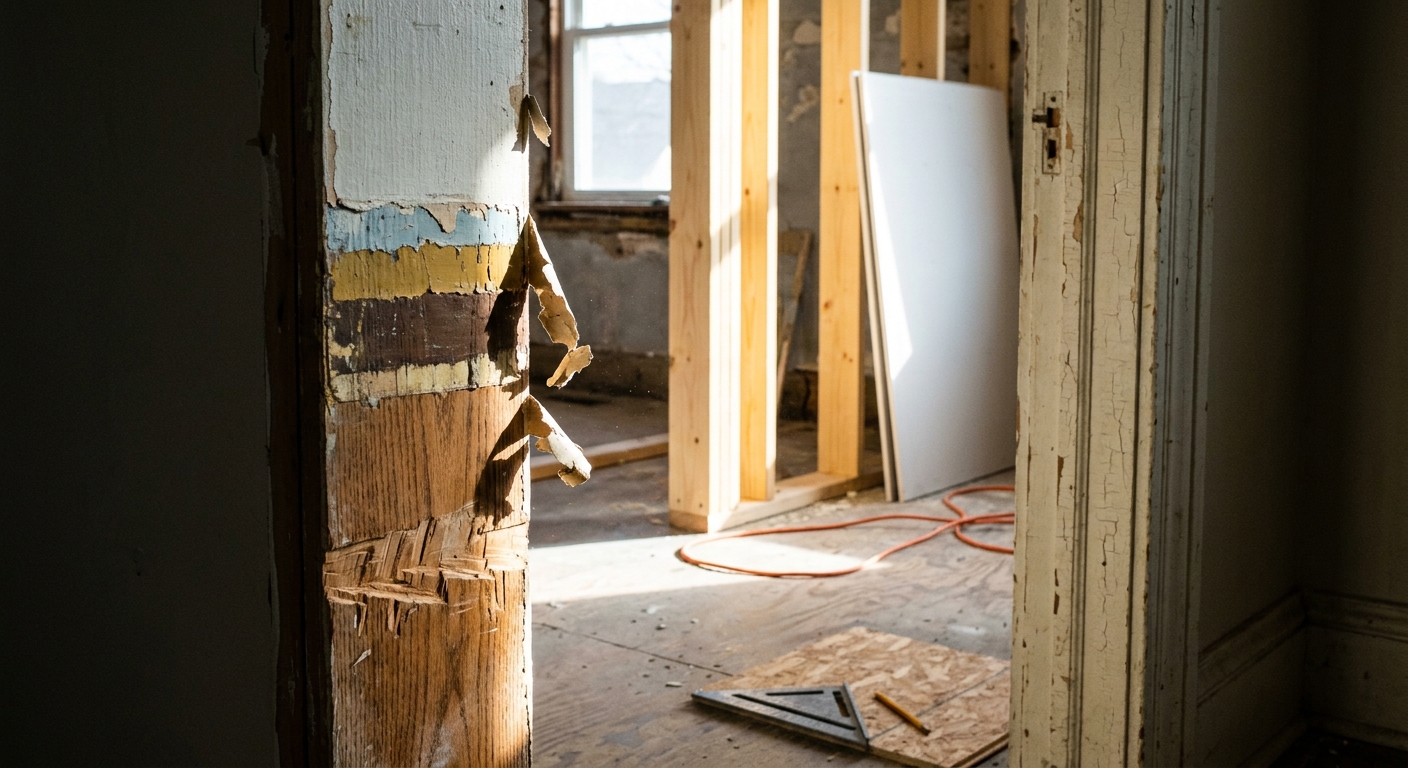
On Flint and Genesee County blocks still marked by vacant houses, the Land Bank is tying its latest housing promise to a number residents can count on: 125 renovated homes by mid-2030.
The Genesee County Land Bank Authority launched Renovate Genesee, or ReGen, on June 30, 2026, committing to renovate 125 homes across Flint and Genesee County over four years. "Now it's time to put back. It's time to restore," said Michael Freeman, executive director of the Genesee County Land Bank Authority.
Freeman brings more than 26 years of experience in community and economic development and previously served as chief operating officer and associate director of programmatic underwriting for Detroit's Housing and Revitalization Department.
ReGen represents a significant acceleration for the Land Bank, which historically renovated only six to nine homes per year and had primarily focused on demolishing blighted structures rather than renovating them for homeownership opportunities. The 125-home commitment translates to roughly 31 homes annually, more than tripling previous output.
At the June 30 launch, the Land Bank had completed 13 homes and had 13 more under renovation as part of a pilot phase that aimed to finish all 26 houses by early September 2026.
The Land Bank operates an official Renovate Genesee program page at thelandbank.org/ren_gen.asp that describes the initiative's goals and structure.
Paying for the full program remains one of its central challenges.
"We have to raise about six million dollars, but that six million dollars will ideally create 125 new housing units," Freeman said.
Pilot-year funding came from the Michigan State Housing Development Authority and the Charles Stewart Mott Foundation. The Mott Foundation provided a $375,000 grant in 2025 to support the Future Flint Homes Project, which aims to create 16 renovated properties and engage local and minority-owned subcontractors as part of the broader ReGen initiative. How the Land Bank will secure the remaining money beyond the pilot phase has not been publicly detailed.
The renovated homes are expected to list for between $75,000 and $150,000. The program will include both market-rate sales and income-qualified affordable homes, with proceeds from market-rate sales reinvested into future projects.
Applicants must intend to use a renovated home as their primary residence and meet income and financing requirements that vary by property. Those seeking income-qualified affordable homes must submit proof of income, and the Land Bank requires that their total estimated housing expenses not exceed 30 percent of take-home income.
For land contract purchases, the Land Bank requires a minimum down payment of 10 percent or $1,000, whichever is greater, with a 7 percent interest rate and a term of no more than five years. Applicants with delinquent property taxes or who went through property tax foreclosure in the last five years do not qualify.
Even if the Land Bank meets its target, however, ReGen would address only a fraction of the county's housing needs.
"We need over, probably, between 5 and 7 thousand new units of housing and renovation is actually a pretty affordable way of doing that," Freeman said.
Delivering all 125 homes on schedule would address less than 3 percent of that gap.
Sustaining the pace will require managing multiple contractor teams simultaneously while navigating inspection timelines, supply costs and workforce availability. The Land Bank uses an open and competitive bidding process; new contractors may be placed on probationary status and limited to one project at a time until they complete two projects satisfactorily.
The Land Bank must file a report on its activities at least annually with the Genesee County Board of Commissioners and parties to the intergovernmental agreement, and its board meetings are public under Michigan's Open Meetings Act. All property transfers authorized by the executive director must be reported in writing to the Board of Directors at the immediately following board meeting. No public reporting on specific quarterly or annual milestones beyond the September 2026 pilot target, or stated consequences if the four-year timeline slips, has been announced.
ReGen is also unfolding alongside new city rules for abandoned properties. The Flint City Council voted 7-0 to adopt a citywide vacant building ordinance requiring owners of abandoned properties to register within 60 days, pay a $250 fee and submit to exterior inspections. Enforcement began June 26, 2026. The ordinance could expand the pool of properties available for renovation or add regulatory complexity to the Land Bank's acquisition and rehabilitation timeline.
For neighborhoods across Flint and Genesee County, 125 renovated homes could stabilize blocks, reduce blight and offer visible proof that the Land Bank can shift from tearing down to building up. If funding falters, contractor capacity falls short or the pace slips without public accountability, the initiative risks joining the list of Flint housing plans that generated headlines but not homes.
Residents can track progress through annual Land Bank reports and public board meetings, making the four-year timeline a measurable test of whether Flint's housing recovery can accelerate.