Schools & Education
Michigan rolls out $726 million for literacy and school buildings, but Flint misses repair grants
By Staff · July 26, 2026
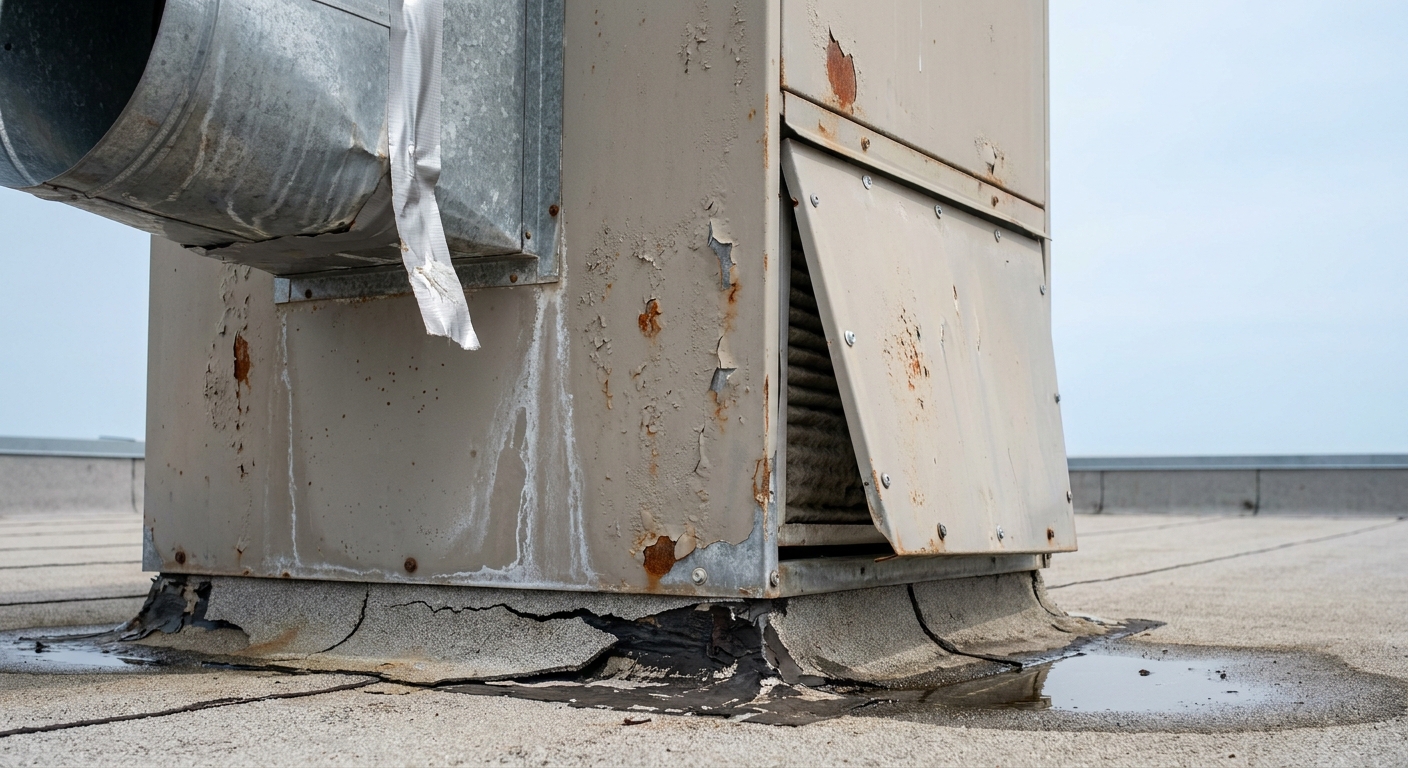
Michigan is making record investments in literacy and school facilities, but Flint Community Schools is absent from the list of 31 districts selected to share $224 million for building repairs.
Governor Gretchen Whitmer signed Michigan's $22.9 billion fiscal year 2027 school aid budget into law on July 21, 2026, including a historic $502 million investment in student literacy.
Four days earlier, the Michigan Department of Education announced that approximately $224 million in infrastructure grants would be distributed to 31 school districts to repair and upgrade facilities in more than 80 public schools.
For Flint families, the contrast is immediate: the state is touting major new education investments, but the district that became a national symbol of infrastructure failure received nothing from this round of repair grants.
Why Flint was left off the repair list
The $224 million was awarded through the Section 12e School Infrastructure Grant Program, a competitive program prioritizing critical infrastructure needs, especially roofing and HVAC work.
The Michigan Department of Education considered several factors, including each district's percentage of economically disadvantaged students, its ability to issue bonds for infrastructure needs, and whether it participated in the Statewide School Facilities Study.
The competition was steep. Districts statewide submitted approximately $1.8 billion in facility improvement requests, meaning the grants fulfilled roughly 12.4 percent of the total need. Whether Flint Community Schools applied, was declined, or faced specific eligibility barriers has not been publicly explained.
Detroit Public Schools Community District received the largest award, nearly $32.8 million for HVAC and roof work. Other recipients include Grant Public Schools at nearly $21 million, Vandercook Lake Public Schools at nearly $19.8 million, Clintondale Community Schools at over $19.3 million, Benton Harbor Area Schools at $12.3 million, Dowagiac Union Schools at $4.28 million, and Fitzgerald Public Schools at $4.1 million.
Flint's school-building needs extend beyond a new high school
Although Flint did not receive a Section 12e award, the district has secured other state support for its facilities. In April 2025, Flint Community Schools was one of only three districts awarded funds through the Michigan Consolidation and Modernization Grant program, receiving $35.9 million.
That money is helping fund a new high school at the former Flint Central/Whittier campus. The district broke ground on June 17, 2026, marking the city's first new public high school in more than 50 years, with the opening scheduled for fall 2028. The project combines the state consolidation grant with up to $100 million from the Charles Stewart Mott Foundation, for a total cost of $135.9 million.
But construction of the new school does not resolve Flint's broader facilities burden. The district has more than 20 vacant buildings, costing approximately $8 million to $10 million per year to maintain. In March 2026, Flint Community Schools requested $87 million from the state to demolish four abandoned facilities: Flint Northern High School, McKinley Middle School, Anderson Elementary, and Stewart Elementary.
Literacy money is not automatic either
Flint's path to a share of the $502 million literacy investment is similarly uncertain. The funding is spread across multiple programs, including $50 million for high-quality literacy instructional materials, $10.5 million to expand regional literacy coaches, $50 million for high-impact tutoring, $135 million for expanded before-school, after-school, and summer programming, $75 million for LETRS training for reading teachers, and $50 million in grants for districts to adopt science-of-reading-aligned curriculum.
These literacy grants are awarded through application- or ranking-based processes rather than distributed equally to every district. Flint Community Schools has not publicly disclosed which programs it plans to pursue or how much of the investment it expects to receive.
The FY27 budget also raises per-pupil funding, maintains free school meals, and supports the expansion of free pre-K. But how much of the literacy investment reaches Flint classrooms will depend on which competitive grants the district applies for and whether it meets the eligibility and ranking criteria established by the Michigan Department of Education.